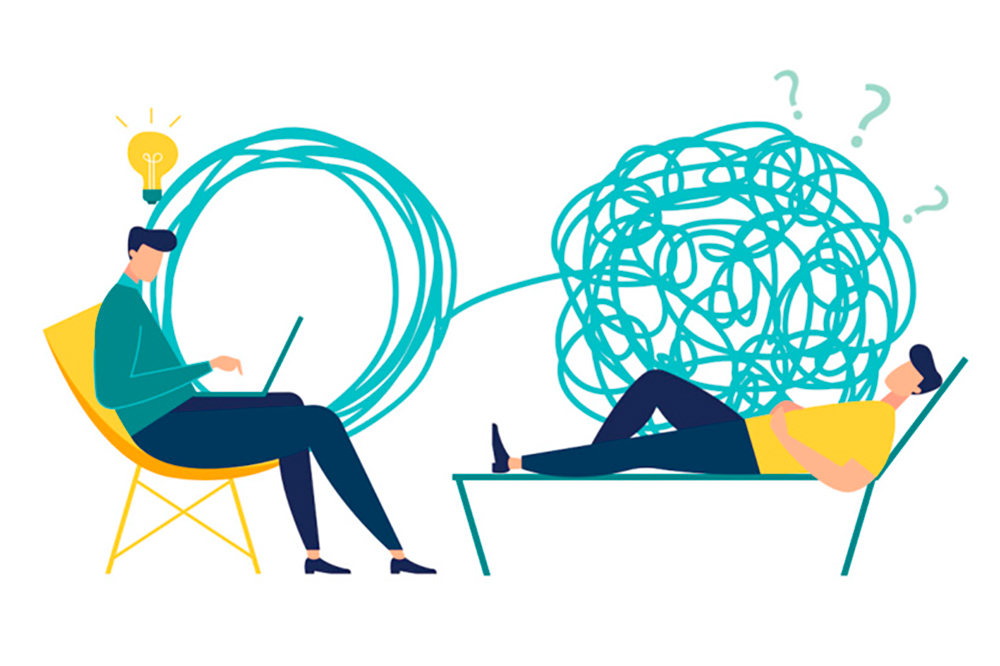
Many people arrive at therapy feeling worn down by their own thoughts, overthinking, self-criticism, anxiety, or a sense of being stuck in patterns that no longer feel helpful. Cognitive Behavioural Therapy (CBT) offers a way of gently understanding these patterns and finding a different way forward.
CBT is based on the idea that our thoughts, feelings, physical sensations, and behaviours are closely linked. When certain thoughts become rigid, frightening, or overly critical, they can strongly shape how we feel and how we respond to the world around us. Over time, this can leave people feeling anxious, low, or disconnected from themselves.
CBT helps you step back and notice these processes with curiosity rather than judgement.
A Simple, Friendly CBT Video
Here’s a lovely, short animation that explains the basics of CBT ideal for those who like a quick visual overview:
This one-minute video, produced by the British Association for Behavioural & Cognitive Psychotherapies (BABCP), gives a clear snapshot of how CBT links thoughts and feelings.
How CBT Works in Practice
Often, the thoughts that cause us the most distress feel automatic and convincing. You might notice a familiar inner voice saying things like “I’m not good enough”, “Something bad is going to happen”, or “I can’t cope with this.”
In CBT, we take time to slow these moments down. We look at where these thoughts come from, how accurate or helpful they are, and how they influence your emotions, your body, and your behaviour. Together, we explore whether there are other ways of understanding what’s happening — ways that feel more balanced and compassionate.
Even small shifts in perspective can create space to respond differently, rather than feeling driven by anxiety or self-criticism.
What to Expect from CBT Session
CBT is a collaborative therapy. We work together, at your pace, focusing on what feels most important to you. There’s no pressure to talk about anything before you’re ready, and no expectation that you should simply “think more positively”.
Sessions usually have a gentle structure, which many people find containing and reassuring. We might:
- explore what’s been bringing you to therapy now
- notice patterns that may be keeping difficulties going
- develop practical ways of coping with challenging thoughts or feelings
- gradually build confidence in responding differently to situations that feel hard
My aim is to create a space where you feel understood, supported, and empowered — not analysed or judged.
An Evidence-Based Approach
CBT is one of the most widely researched psychological therapies and is recommended by NICE and the NHS for difficulties such as anxiety, depression, panic, trauma, and stress. It was originally developed by psychiatrist Aaron T. Beck and continues to evolve, with modern CBT often integrating compassion-focused and mindfulness-based approaches.
What matters most, though, is not just the evidence, but how the therapy feels for you as an individual.
Is CBT Right for You?
CBT is not about fixing what’s “wrong” with you. Your ways of thinking and coping have often developed for understandable reasons. Therapy offers a chance to understand those reasons with kindness and to decide, together, what you’d like to change. If you’re feeling caught in cycles of anxiety, low mood, or self-doubt, CBT can help you develop a steadier, more compassionate relationship with yourself — and with the challenges you’re facing.