April is Stress Awareness Month and if you’re anything like many of the people I work with, that phrase alone might bring a slightly ironic smile. A month to be aware of stress… in a life that already feels full.
This time of year, often has unspoken pressure, the days are getting longer, spring is arriving, bringing the expectation that we should feel more energised, more motivate.
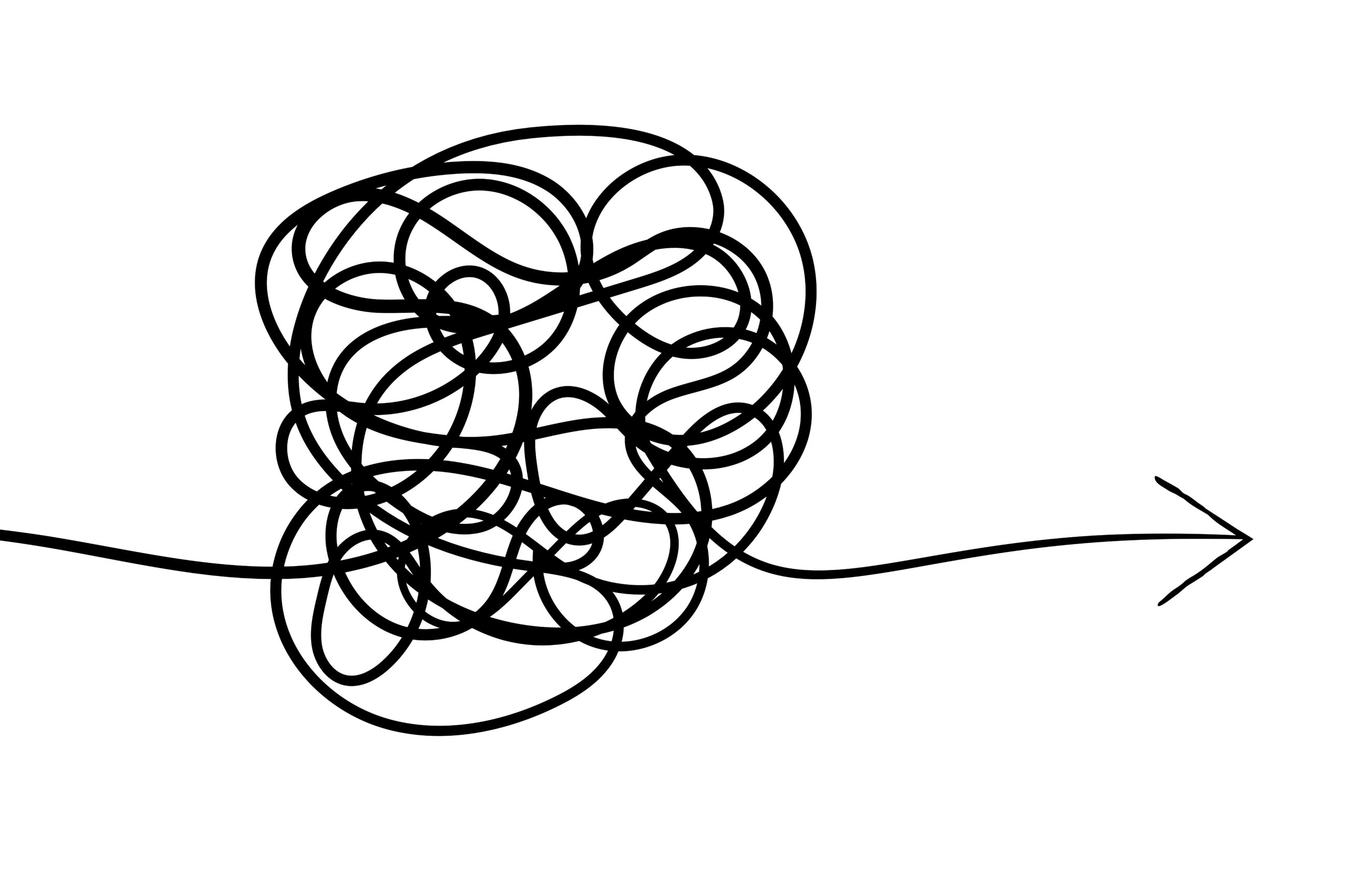
From a CBT (Cognitive Behavioural Therapy) perspective, stress is not just about how busy life is. It’s about how we’re relating to what’s happening, the thoughts we have, the pressure we place on ourselves, and the patterns we get pulled into when things feel overwhelming.
You might notice a tendency to push harder when you’re already stretched thin. Or thoughts like, “I should be coping better than this,” or “Once I get through this week, things will calm down” even though the “busy week” never quite ends. These thoughts aren’t the problem but they can keep the stress cycle going.
In CBT, we often look at how stress builds: something triggers it, our mind makes sense of it (sometimes harshly), our body responds, and then our behaviours follow; overworking, avoiding, or withdrawing. Until it all starts to feel automatic.
It isn’t about eliminating stress completely, that wouldn’t be realistic, or even helpful. Stress is part of being human. But we can learn to respond to it differently and starting with small shifts rather than big changes.
One place to start is noticing your inner dialogue. Not trying to silence it, but being curious about it. What are you saying to yourself when things feel too much? Would you speak to someone else in the same way?
Even a gentle reframe; “This is a lot right now” instead of “I can’t cope” can soften the intensity.
Another common theme is the pressure to do things perfectly. When stress is high, that bar can become exhausting. Experimenting with “good enough” can feel uncomfortable at first, but also surprisingly freeing.
But also, space; something that tends to disappear when we’re overwhelmed. Many wait until ‘everything’ is done before they allow themselves space to pause. But stress often reduces when we build in small moments of stopping along the way. A few minutes without input, stepping outside, or even just taking a slower breath can create a pause and reset.
Avoidance is another pattern that shows up with stress. When something feels too much, we want to step away from it. But avoidance can quietly increase stress over time. Gently approaching things in smaller, manageable steps can help rebuild a sense of control.
Perhaps the most importantly is how we relate to stress itself. Rather than seeing it as a sign that something is wrong with you, it can be helpful to view stress as information. A signal that something matters, or that your resources are stretched.
So instead of asking, “Why can’t I handle this?”
Try asking, “What do I need right now?”
It might be rest, support, clarity, or simply more self-compassion.
I feel Stress Awareness Month isn’t about getting rid of stress or becoming a calmer version of yourself overnight. It’s about understanding your patterns a little more, and responding to yourself more kindly.